When a trade goes wrong, who judges? The exchange needs source-of-funds proof — then makes you wait, with no deadline and no recourse. The group middleman weighs how big a client, how close a friend — so private persuasion, and worse, decide verdicts. InVeil hands the case to strangers — unreachable, on a deadline, ruling only on the evidence. Strangers, deadlines, Schelling points: that is how facts win.
The exchange way
Judged by the company.
Prove yourself first. Then wait — indefinitely.
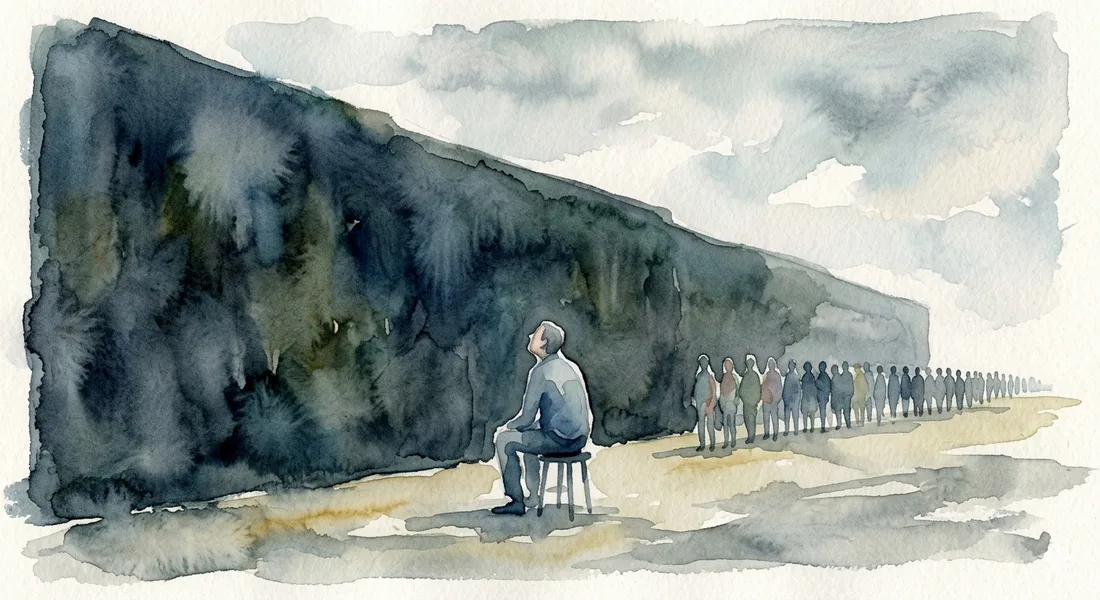
File a dispute on a centralized exchange and the burden of proof lands on you: identity checks, source-of-funds documents, forms submitted into a black box. There is no deadline. The "investigation" takes as long as they want, your funds stay frozen the whole time, and nobody owes you an explanation. The endless delay is not a side effect — it is the resolution.
The middleman way
Judged by relationships.
Verdicts follow importance, familiarity — and favors.
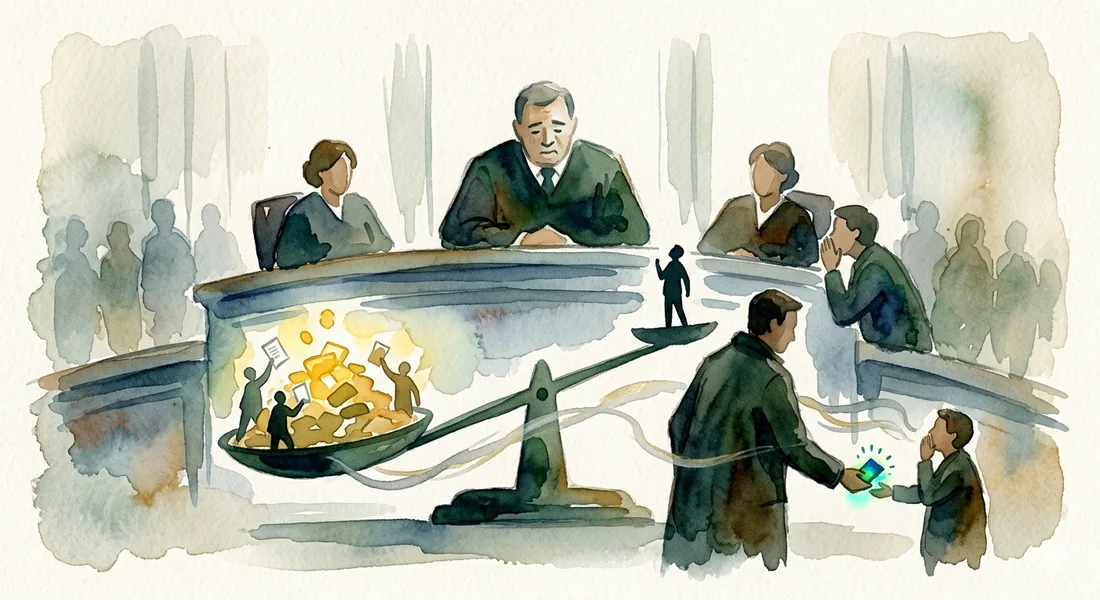
In an OTC group the mediator knows everyone. Rulings track how big a client you are and how long you've been around, so winning a dispute becomes a campaign: please the judge, work the back channels, persuade in private. Where the judge can be reached, the judge will be reached — lobbying and bribery aren't failures of this system; they are the system.
The InVeil way
Judged by strangers.
Evidence in. Deadline hits. Verdict out.
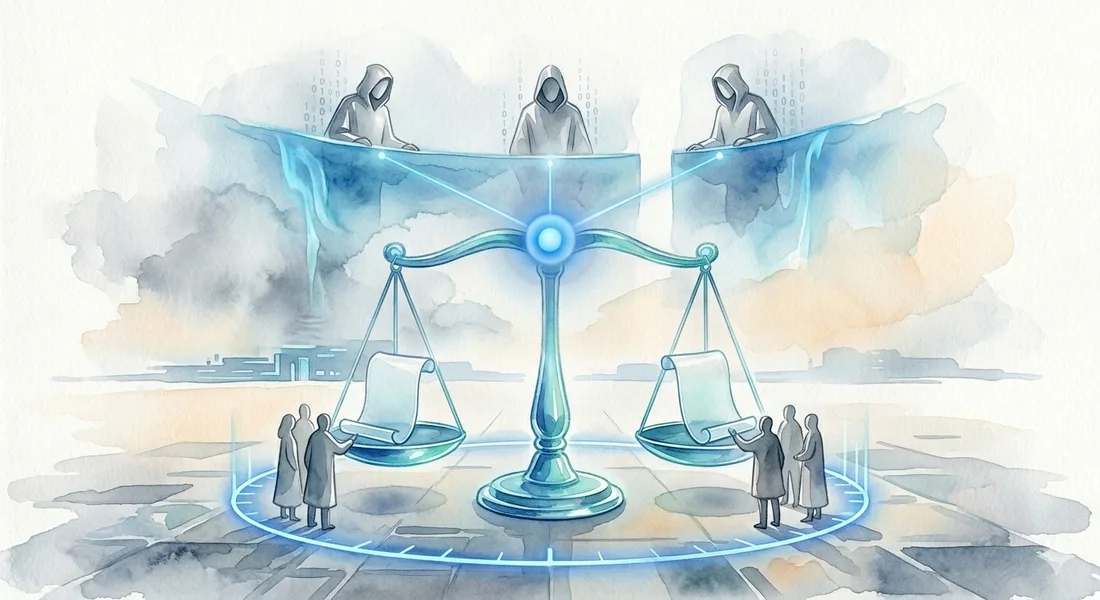
InVeil's arbitrators are strangers to both parties — and the protocol keeps it that way: they have no channel to contact you, and you have no way to find them. Both sides submit evidence within a fixed window; when time is up, the panel rules. Each arbitrator votes independently under a Schelling-point mechanism — unable to coordinate, their only rational move is to vote for what the evidence shows. No one to please. No one to bribe. The fairest verdict the facts allow.
Why InVeil
Three ways to trade P2P. Only one needs no trust.
Every protection an exchange or a middleman promises, the contracts simply enforce.
Exchange
Middleman
InVeil
Who holds your funds
Will they run with your money
Can you withdraw anytime
Identity required
Who judges disputes
Exchange
Middleman
InVeil
Judged by Strangers.
Fairness Has No Friends.
Evidence in. Deadline hits. Verdict out.